


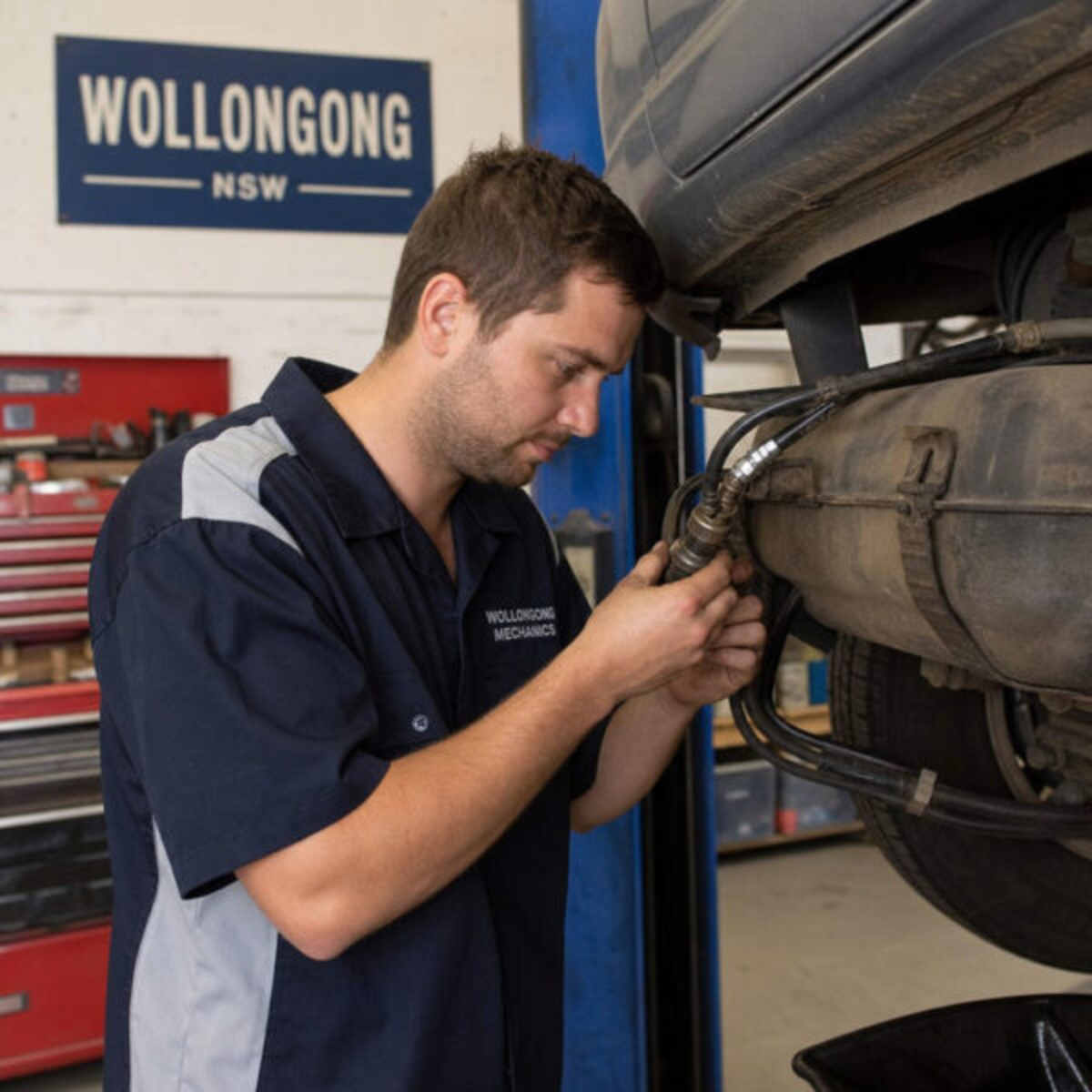
Clean fuel is one of the quiet essentials of a reliable vehicle. You usually do not think about it until the engine hesitates, the warning lights appear, or the tank has been filled with the wrong fuel. At that point, small contamination can quickly become an expensive mechanical problem. Receive the Best information about Fuel Drain Wollongong.
If you are in Wollongong or nearby areas across the Illawarra and you suspect water, dirt, diesel, petrol mix-up, stale fuel, or another contaminant has entered your vehicle, the safest move is simple: stop driving, avoid restarting the engine, and arrange professional help as soon as possible.
Our local fuel contamination support is designed for drivers, families, tradies, fleet operators, and businesses that need fast, practical assistance. From fuel tank cleaning to fuel drain Wollongong callouts and emergency fuel drain support, we help you reduce risk, protect your vehicle, and get clear guidance on what to do next.
Local Fuel Contamination Help for Wollongong Drivers
Fuel contamination can happen in several ways. Sometimes it is a simple mistake at the bowser. Sometimes water gets into a tank. Sometimes fuel sits too long in a vehicle, boat, machinery, or stored container. Sometimes sediment from an ageing tank gets stirred up and pulled through the fuel system.
Whatever the cause, contaminated fuel is not something to ignore.
Modern vehicles rely on precise fuel delivery. Injectors, fuel pumps, sensors, filters, rails, and engine management systems are all built to work with clean fuel of the correct type. When the wrong substance enters that system, performance can suffer almost immediately.
You may notice:
- Rough idling
- Hard starting
- Stalling
- Loss of power
- Engine knocking or pinging
- Smoke from the exhaust
- Poor acceleration
- Fuel smell around the vehicle
- Warning lights on the dashboard
- Higher fuel use than usual
- The engine cutting out soon after refuelling
In some cases, the signs are obvious. In others, the vehicle may seem fine at first and then gradually develop problems. That is why prevention, early action, and proper fuel tank cleaning matter.
Why Fuel Contamination Should Be Treated Quickly
Contaminated fuel can move through the system fast. If you keep driving, contaminants can travel from the tank into the fuel lines, pump, filter, injectors, and engine. The further the contamination spreads, the more complex the repair may become.
A prompt fuel drain can help reduce the chance of unnecessary damage. An emergency fuel drain is especially important if the wrong fuel has been added and the vehicle has not yet been driven far. Acting early can make a significant difference.
The golden rule is this:
If you suspect contamination or a wrong-fuel mistake, do not start the engine. If the engine is already running, pull over safely and switch it off as soon as it is safe to do so.
Then arrange help from a qualified fuel drain technician or appropriate roadside support.
Common Causes of Fuel Contamination
Fuel contamination is not always caused by driver error. Many everyday situations can put your fuel system at risk.
Water in the Fuel Tank
Water can enter a fuel tank through condensation, poor storage, damaged seals, contaminated fuel containers, or exposure during refuelling. Even small amounts of water can cause trouble because water does not burn like fuel.
In petrol vehicles, water may cause misfiring, rough running, or starting problems. In diesel vehicles, water can be particularly damaging because diesel fuel systems rely heavily on lubrication and precise injection pressure.
Signs of water contamination may include:
- Sudden rough running after refuelling
- Spluttering or hesitation
- Engine cut-outs
- Difficulty starting
- Corrosion in fuel system components
- Water warning light in some diesel vehicles
Petrol in a Diesel Vehicle
Putting petrol into a diesel vehicle is one of the most common wrong-fuel problems. Petrol can reduce the lubricating properties that diesel systems need. High-pressure diesel pumps and injectors may be vulnerable if the vehicle is started or driven.
If petrol has been added to a diesel tank:
- Do not start the vehicle
- Do not turn the ignition on if it activates the fuel pump
- Move the vehicle only if safe and practical
- Arrange a professional emergency fuel drain
- Ask for guidance before refilling and restarting
Diesel in a Petrol Vehicle
Diesel in a petrol vehicle can also cause problems, though the symptoms may differ. Petrol engines are designed for a more volatile fuel. Diesel can foul spark plugs, cause smoke, create poor running, and clog components.
If diesel has been added to a petrol tank, the vehicle may:
- Struggle to start
- Start and then stall
- Produce heavy exhaust smoke
- Run roughly
- Lose power quickly
A fuel drain Wollongong service can remove the contaminated fuel and help you understand the next safe step.
Dirt, Rust, and Sediment
Older tanks, dirty fuel cans, poorly maintained storage tanks, and low fuel levels can all increase the risk of sediment entering the fuel system. Over time, tiny particles can settle in the bottom of a tank. When the vehicle moves, refuels, or runs low, that material can be stirred up and pulled into the fuel pickup.
Sediment can block filters, restrict fuel flow, and affect engine performance.
Common signs include:
- The engine starving under load
- Intermittent stalling
- Poor acceleration
- Frequent fuel filter blockage
- Noise from the fuel pump
- Repeated starting issues
Stale or Degraded Fuel
Fuel does not last forever. Vehicles, boats, caravans, generators, motorcycles, and machinery that sit unused for long periods may develop stale fuel problems. As fuel ages, it can lose quality and form gums or deposits. Diesel can also be affected by microbial growth in the presence of water.
Stale fuel is common in:
- Weekend vehicles
- Classic cars
- Boats and marine equipment
- Farm equipment
- Generators
- Stored fleet vehicles
- Motorbikes and scooters
- Machinery used seasonally
If stale fuel is suspected, fuel tank cleaning may be the best option before fresh fuel is added.
Contaminated Fuel Containers
A jerry can or transfer container that looks clean may still contain water, dust, old fuel, oil residue, or debris. If that container is used to top up a vehicle, the contamination can enter the tank directly.
To reduce risk, only use clean, approved fuel containers and avoid mixing containers used for different fluids.
When to Book Fuel Tank Cleaning
Fuel tank cleaning is not only for emergencies. It is also a smart preventative service when there is a clear risk that contaminants are sitting inside the tank.
You may need fuel tank cleaning if:
- Your vehicle has had repeated fuel filter issues
- Water or sediment has been found in the fuel
- The vehicle has been sitting unused for months
- You bought a second-hand vehicle with unknown fuel history
- Wrong fuel was added and the tank needs thorough attention
- A mechanic has identified contamination in the system
- You run machinery, generators, or fleet vehicles that rely on stored fuel
- You notice fuel system symptoms soon after refuelling
- Your diesel vehicle has signs of microbial contamination
- Rust or debris is visible in drained fuel
Fuel tank cleaning helps remove contaminants from the source rather than simply replacing filters and hoping the problem disappears.
Fuel Drain vs Fuel Tank Cleaning: What Is the Difference?
A fuel drain and fuel tank cleaning are closely related, but they are not always the same service.
Fuel Drain
A fuel drain focuses on removing incorrect or contaminated fuel from the tank. It is often used when:
- Petrol has been added to diesel
- Diesel has been added to petrol
- The wrong fuel has just been noticed
- Water is suspected in the tank
- The vehicle needs urgent assistance before it can be moved safely
A fuel drain Wollongong callout may be the first step after a refuelling mistake or sudden contamination issue.
Fuel Tank Cleaning
Fuel tank cleaning is more thorough. It may involve removing remaining fuel, addressing sludge or sediment, inspecting accessible areas, and helping ensure the tank is ready for clean fuel. The exact process depends on the vehicle, tank design, fuel type, and contamination level.
Fuel tank cleaning is often recommended when:
- There is visible debris or sludge
- Fuel has been stored for a long time
- Water contamination is significant
- Filters keep clogging
- The contamination source is inside the tank
- The vehicle or equipment is used commercially and reliability matters
If you are unsure which service you need, the safest approach is to call and describe what happened. A technician can guide you based on the vehicle type, fuel type, amount added, and whether the engine has been started.
Emergency Fuel Drain Services
Wrong fuel mistakes are stressful, but they are also common. They can happen when you are tired, distracted, driving a borrowed vehicle, using a rental, switching between work and personal vehicles, or refuelling under pressure.
An emergency fuel drain service is designed to help when you need prompt support and clear instructions.
Call for emergency fuel drain assistance if:
- You put petrol in a diesel vehicle
- You put diesel in a petrol vehicle
- You realised the mistake before starting the engine
- You started the vehicle and it is now running poorly
- The vehicle has stalled after refuelling
- You suspect water or dirty fuel from a service station or container
- You smell fuel and are unsure whether it is safe to drive
- Your business vehicle cannot afford unnecessary downtime
What to Do Immediately After a Wrong-Fuel Mistake
If the vehicle is still at the bowser:
- Do not start the engine.
- Do not turn the key or press the start button if avoidable.
- Put the vehicle in neutral if it is safe to move.
- Ask service station staff for assistance if needed.
- Move the vehicle only if it can be done safely without starting it.
- Call for an emergency fuel drain.
If you have already driven away:
- Pull over in a safe location.
- Switch off the engine.
- Avoid restarting.
- Take note of how much wrong fuel was added.
- Call for advice before attempting to continue.
The less the contaminated fuel circulates, the better.
Local Support for Wollongong, the Illawarra, and Nearby Areas
Drivers in Wollongong deal with a wide mix of conditions. Daily commuting, coastal weather, stop-start traffic, long drives, work utes, family SUVs, diesel vans, motorcycles, boats, and machinery all create different fuel system risks.
Our local service approach is practical, calm, and focused on helping you make the safest decision quickly. Whether you need fuel tank cleaning for a stored vehicle or a fuel drain Wollongong callout after a mistake at the pump, we aim to provide clear next steps without panic or pressure.
We can assist with enquiries from local areas such as:
- Wollongong
- North Wollongong
- Fairy Meadow
- Corrimal
- Figtree
- Unanderra
- Port Kembla
- Dapto
- Shellharbour
- Albion Park
- Kiama and surrounding areas, subject to availability
If your exact suburb is not listed, contact us and we will let you know what support may be available.
Vehicles and Equipment We Can Assist With
Fuel contamination can affect more than cars. Many vehicles and machines rely on clean fuel and can suffer when water, dirt, stale fuel, or the wrong fuel enters the tank.
Depending on the situation, fuel drain and fuel tank cleaning support may be suitable for:
- Passenger cars
- Diesel utes
- Four-wheel drives
- Vans
- Light commercial vehicles
- Fleet vehicles
- Motorcycles
- Boats and marine fuel systems
- Generators
- Small machinery
- Agricultural equipment
- Construction equipment
- Stored or seasonal vehicles
Because access, tank design, and fuel system layout vary, the recommended solution can differ from one vehicle to another. When you call, provide the make, model, fuel type, location, and what happened so the technician can advise you properly.
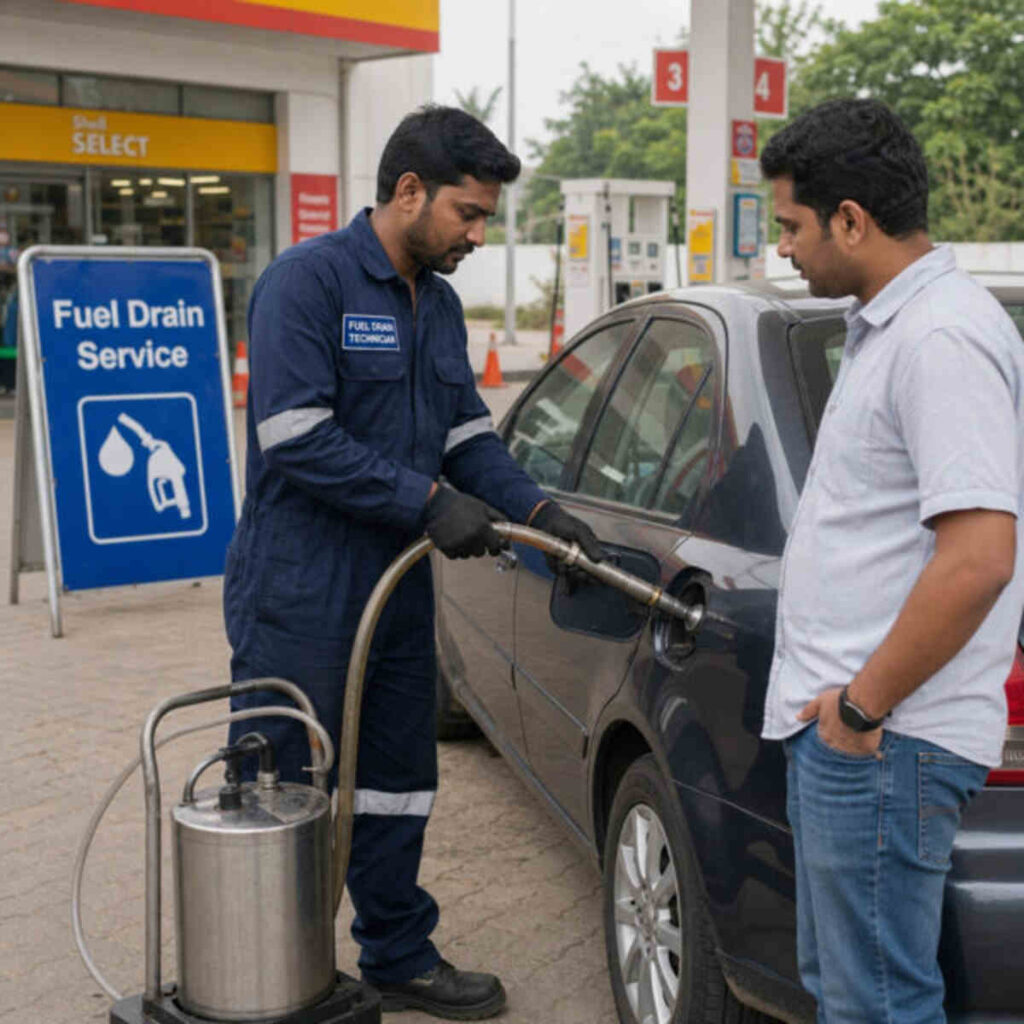
How Contaminated Fuel Affects Your Vehicle
Fuel contamination can affect different parts of the system in different ways. Understanding the risk helps explain why quick action is important.
Fuel Tank
The tank is where contamination often begins. Water, sludge, rust, old fuel residue, or the wrong fuel can settle inside. If the contaminant remains, it can continue affecting the vehicle even after filters are changed.
Fuel Pump
The fuel pump moves fuel from the tank to the engine. Dirty or incorrect fuel can make the pump work harder, reduce lubrication, or cause wear. In some cases, the pump may become noisy or fail.
Fuel Filter
The fuel filter is designed to catch particles and protect the engine. However, heavy contamination can block it quickly. A blocked filter can cause fuel starvation, hesitation, stalling, or no-start issues.
Fuel Injectors
Injectors deliver precise amounts of fuel. Contaminants can clog or damage them. Poor spray patterns may lead to rough running, higher fuel consumption, smoke, or reduced performance.
Engine
If contaminated fuel reaches the engine, combustion may become unstable. Depending on the fuel type and contaminant, the engine may misfire, knock, stall, or run unevenly.
Sensors and Emissions Components
Modern vehicles use sensors and emissions systems to manage performance and compliance. Poor combustion caused by contaminated fuel can create downstream issues, warning lights, and diagnostic faults.
Why Prevention Is Better Than Repair
Most drivers only think about fuel contamination after something goes wrong. But prevention is usually easier, safer, and more affordable than dealing with damage after the fact.
Preventing contamination helps you:
- Reduce the risk of breakdowns
- Protect expensive fuel system components
- Avoid unnecessary towing
- Keep work vehicles on the road
- Reduce stress during travel
- Improve reliability after long storage
- Avoid repeated filter changes
- Extend the life of fuel system parts
Clean fuel supports clean operation. It is that simple.
Practical Ways to Prevent Fuel Contamination
You cannot control every variable, but you can reduce your risk with sensible habits.
Refuel at Reputable Locations
Choose busy, well-maintained fuel stations where fuel turnover is likely to be higher. Avoid filling from pumps that appear damaged, poorly maintained, or affected by flooding or obvious water exposure.
If you notice unusual fuel smell, cloudy fuel in a container, visible water, or debris, do not use it.
Check the Pump Before Refuelling
Wrong-fuel mistakes often happen quickly. Before lifting the nozzle, take a moment to confirm:
- Your vehicle fuel type
- The pump label
- The nozzle colour and signage
- The fuel grade
- Any warning stickers near the filler cap
This is especially important if you drive multiple vehicles or recently changed from petrol to diesel.
Avoid Running the Tank Too Low
Running close to empty can increase the chance of sediment at the bottom of the tank being pulled into the fuel system. It can also make the fuel pump work harder in some vehicles.
Keeping a reasonable fuel level is a simple habit that may help reduce contamination-related issues.
Store Fuel Correctly
If you store fuel for equipment, boats, generators, or machinery, use clean, sealed, approved containers. Keep containers out of rain, direct contamination, and extreme heat where possible.
Label containers clearly so petrol, diesel, two-stroke mix, and other fluids are not confused.
Do Not Use Dirty Containers
Never use a container that previously held oil, water, chemicals, coolant, or unknown fluids. Even a small residue can contaminate a vehicle fuel tank.
If in doubt, do not pour it in.
Maintain Fuel Caps and Seals
A damaged fuel cap or seal can allow moisture and dirt to enter the tank. Replace damaged caps and check for signs of poor sealing, especially on vehicles exposed to weather, dust, or worksite conditions.
Be Careful After Heavy Rain or Flooding
Water exposure can increase contamination risk. If a vehicle has been driven through deep water, parked in flood-affected conditions, or refuelled from a suspect source, monitor for symptoms and seek advice early.
Service Your Vehicle Regularly
Routine maintenance helps catch fuel system problems before they escalate. Fuel filters, water separators, and related components should be serviced according to the vehicle manufacturer’s guidance and your mechanic’s recommendations.
Treat Stored Vehicles Seriously
If a vehicle or machine has been sitting for months, do not assume the fuel is still good. Before starting, consider the age of the fuel, storage conditions, and whether the tank may contain condensation or degraded fuel.
Fuel tank cleaning may be a sensible step for vehicles returning to service after long storage.
Special Considerations for Diesel Vehicles
Diesel vehicles can be particularly sensitive to contamination. High-pressure common rail systems use tight tolerances, and clean diesel is essential for reliable operation.
Diesel contamination risks include:
- Water in the tank
- Petrol mixed with diesel
- Microbial growth
- Sludge or dark residue
- Poor-quality stored diesel
- Particulate contamination from old tanks or containers
Some diesel vehicles have a water-in-fuel warning system or water separator. If a warning appears, do not ignore it. Continuing to drive may increase the risk of damage.
If petrol has been added to a diesel tank, arrange emergency fuel drain support before starting or continuing to drive.
Special Considerations for Petrol Vehicles
Petrol vehicles can also be affected by contamination, especially when diesel, water, dirt, or stale fuel enters the tank. Petrol engines rely on correct vapourisation, spark ignition, and clean fuel delivery.
Petrol contamination risks include:
- Diesel added accidentally
- Water contamination
- Sediment blocking the filter or injectors
- Old fuel causing deposits
- Dirty fuel from containers
If your petrol vehicle begins running roughly soon after refuelling, do not assume it will clear itself. Stop safely and arrange advice.
Contamination in Boats, Generators, and Stored Equipment
Fuel contamination is common in equipment that is not used every day. Boats, generators, pumps, machinery, and seasonal vehicles may sit with fuel in the tank for long periods. Temperature changes can create condensation, and older fuel may degrade.
Before using stored equipment, look for:
- Hard starting
- Surging
- Loss of power under load
- Unusual smoke
- Fuel smell
- Visible separation or cloudiness in fuel
- Water or sludge in filters
For equipment that needs to work when called upon, prevention is critical. A generator that fails during an outage or a boat that stalls on the water can create more than inconvenience. If the fuel is questionable, consider fuel tank cleaning or draining before use.
Our Fuel Contamination Service Process
Every situation is different, but our general service approach is designed to be clear and practical.
Step 1: Tell Us What Happened
When you contact us, we will ask straightforward questions such as:
- What vehicle or equipment is involved?
- What fuel should it take?
- What fuel may have been added?
- Approximately how much fuel was added?
- Was the engine started?
- Has the vehicle been driven?
- Where is the vehicle located?
- Are there any warning lights or symptoms?
These details help determine the safest next step.
Step 2: Safety Advice Before Attendance
If the vehicle should not be started, we will tell you. If you are in a risky location, we may recommend moving to a safe area only if it can be done without creating further danger. Safety comes first.
Step 3: Fuel Drain or Inspection
Where appropriate, contaminated fuel is drained from the tank using suitable equipment and procedures. The technician may assess the condition of the fuel and discuss whether further cleaning, filter replacement, or mechanical inspection is recommended.
Step 4: Fuel Tank Cleaning if Required
If contamination is more than a simple wrong-fuel incident, fuel tank cleaning may be recommended. This helps address sediment, sludge, water, or residue that could continue causing problems.
Step 5: Fresh Fuel and Restart Guidance
Once the contaminated fuel has been removed and the technician is satisfied with the next step, fresh fuel may be added. Restarting should be done carefully, with attention to symptoms, warnings, and manufacturer requirements.
Step 6: Referral if Mechanical Repairs Are Needed
If the vehicle has been driven extensively with the wrong fuel or has signs of system damage, further inspection by a qualified mechanic may be required. A fuel drain can reduce contamination risk, but it cannot guarantee that no damage occurred before the service.
Safety Considerations During Fuel Drain and Tank Cleaning
Fuel is flammable, hazardous, and environmentally sensitive. It should not be drained casually onto the ground, into stormwater, or into unsuitable containers.
Professional handling matters because fuel drain and fuel tank cleaning may involve:
- Flammable vapours
- Static electricity risks
- Vehicle electrical systems
- Fuel pressure
- Confined or awkward access points
- Environmental disposal requirements
- Contaminated liquid storage
- Work near roads, service stations, or public areas
For your safety:
- Do not smoke near the vehicle
- Keep ignition sources away
- Do not attempt to siphon fuel by mouth
- Do not drain fuel into open buckets
- Do not pour contaminated fuel into drains or soil
- Keep children and pets away from the area
- Follow instructions from the technician or roadside support provider
Fuel contamination is frustrating, but unsafe handling can make the situation much worse.
Why Choose a Local Fuel Drain Specialist
When you need urgent help, local knowledge matters. A local service understands the practical realities of Wollongong roads, service stations, traffic, industrial areas, residential streets, and coastal conditions.
Choosing a local fuel drain specialist can help with:
- Faster communication
- Practical local service advice
- Clear guidance for drivers stuck at service stations
- Support for residential, commercial, and roadside situations
- Familiarity with common local vehicle types and use cases
- Assistance for tradies, families, commuters, and fleet operators
A good technician will not just remove fuel. They will help you understand what happened, what the risks are, and what should happen next.
Fuel Contamination for Fleet and Business Vehicles
For businesses, a contaminated fuel incident can mean lost time, missed jobs, delayed deliveries, and frustrated customers. A single wrong-fuel mistake in a work ute or van can disrupt the entire day.
Fleet vehicles may be at higher risk because multiple drivers use them, vehicles are refuelled frequently, and staff may switch between petrol and diesel models.
To reduce fleet contamination risk:
- Label fuel caps clearly
- Use driver checklists
- Train staff on wrong-fuel procedures
- Encourage drivers to stop immediately if they make a mistake
- Keep records of fuel incidents
- Monitor repeated filter or performance issues
- Schedule fuel tank cleaning for vehicles with recurring contamination signs
- Avoid using unverified stored fuel
If your business vehicle needs an emergency fuel drain, fast action can help reduce downtime and prevent a small mistake from becoming a major operational problem.
Fuel Contamination for Tradies and Work Utes
Work utes and vans often operate in tough conditions. They may be exposed to dust, dirt, worksites, long idling periods, stored fuel containers, and frequent refuelling.
Tradies can reduce risk by:
- Keeping diesel and petrol containers separate
- Labelling jerry cans clearly
- Avoiding old or unknown fuel
- Checking the pump before every fill
- Not topping up from dirty containers
- Keeping fuel caps secure on dusty sites
- Booking fuel tank cleaning if sediment issues recur
A fuel problem during a workday costs more than repair time. It can mean missed income. If something feels wrong after refuelling, act early.
Fuel Contamination for Families and Daily Drivers
Family vehicles often run multiple short trips, school runs, errands, and weekend travel. A wrong-fuel mistake can happen easily when routines change, especially if a household owns both petrol and diesel vehicles.
Simple prevention helps:
- Add a fuel-type sticker near the filler cap
- Remind new drivers which fuel the car takes
- Check the pump before paying attention to anything else
- Avoid rushing at the bowser
- Stop immediately if the engine behaves differently after refuelling
If the wrong fuel has been added, do not feel embarrassed. It is a common mistake, and the right response is to stop and arrange help.
Signs You Should Not Keep Driving
Some symptoms mean you should stop as soon as it is safe and seek assistance.
Do not keep driving if you notice:
- Sudden rough running after refuelling
- Engine knocking or loud rattling
- Smoke from the exhaust
- Strong fuel smell
- Repeated stalling
- Loss of power in traffic
- Water-in-fuel warning light
- Check engine light combined with poor running
- The engine cutting out and refusing to restart
- You know the wrong fuel was added
Continuing to drive may increase the chance of damage. If in doubt, stop and call.
What Not to Do After Fuel Contamination
When a fuel problem happens, it is tempting to try quick fixes. Some can make the situation worse.
Avoid these common mistakes:
- Do not keep driving to “use up” the wrong fuel
- Do not dilute the wrong fuel without professional advice
- Do not repeatedly crank the engine
- Do not ignore warning lights
- Do not drain fuel into the street, driveway, or stormwater
- Do not use random additives as a cure-all
- Do not assume a new filter alone fixes a dirty tank
- Do not restart after stalling unless advised
The safest solution depends on the type of contamination, the amount involved, and whether the engine has been run.
How Fuel Tank Cleaning Helps Prevent Repeat Problems
If a tank contains water, sludge, rust, or degraded fuel, simply filling it with fresh fuel may not solve the issue. The new fuel can mix with the old contamination and carry it back through the system.
Fuel tank cleaning helps by addressing contamination at the source.
Benefits may include:
- Removing settled water or debris
- Reducing repeat filter blockages
- Improving fuel quality inside the tank
- Helping protect pumps and injectors
- Preparing stored vehicles for use
- Supporting more reliable operation
- Reducing the chance of future contamination-related breakdowns
For older vehicles, stored equipment, diesel machinery, and vehicles with unknown history, cleaning can be a practical investment in reliability.
When a Fuel Filter Change May Also Be Needed
A fuel filter protects the engine, but once contamination has passed through it, the filter may become clogged or compromised. In many contamination cases, a mechanic may recommend replacing the fuel filter after draining or cleaning.
This may be especially important if:
- The vehicle was driven after contamination
- The filter has visible water or debris
- The engine is still running poorly
- The vehicle has high kilometres
- The tank contained sediment or sludge
- The manufacturer recommends replacement after contamination
Fuel drain services and mechanical servicing often work together. Removing contaminated fuel is the immediate priority, while filter replacement and inspection help support ongoing reliability.
Emergency Fuel Drain at a Service Station
Many wrong-fuel incidents happen at the pump. If you are still at the service station, you are in the best possible position to limit damage because the vehicle may not have been started yet.
Here is what to do:
- Leave the vehicle switched off
- Notify service station staff if the vehicle is blocking a pump
- Put the car in neutral only if it is safe and allowed
- Push the vehicle to a safe nearby position if practical
- Keep your receipt or note the fuel type and amount
- Call for emergency fuel drain support
Do not let embarrassment push you into starting the vehicle. A few awkward minutes at the bowser is better than risking fuel system damage.
Emergency Fuel Drain at Home or Work
Sometimes contamination is discovered after topping up from a container at home, a yard, a depot, or a worksite. If you suspect the fuel is contaminated:
- Stop using the vehicle or equipment
- Keep the suspect fuel container aside
- Do not add more fuel until advised
- Note where the fuel came from
- Call for professional guidance
If several vehicles were filled from the same container or storage tank, more than one may be at risk.
Emergency Fuel Drain on the Road
If the vehicle starts running badly after refuelling, safety is the priority.
Take these steps:
- Indicate and move out of traffic if possible.
- Stop in a safe location.
- Switch off the engine.
- Turn on hazard lights if needed.
- Do not stand in traffic lanes.
- Call for assistance and explain the symptoms.
If you are on a motorway, busy road, or unsafe shoulder, contact roadside or emergency support as appropriate. Vehicle safety comes before mechanical concerns.
Environmental Responsibility
Contaminated fuel must be handled responsibly. Fuel can harm soil, waterways, stormwater systems, wildlife, and public areas if dumped or spilled.
Responsible service includes:
- Using suitable containers
- Minimising spills
- Keeping fuel away from drains
- Managing contaminated fuel safely
- Following appropriate disposal pathways
- Cleaning up minor spills correctly
Never pour petrol, diesel, or mixed fuel into drains, gutters, gardens, bins, or waterways. If you have contaminated fuel stored on your property, ask for advice on proper disposal.
How to Tell If Fuel Is Contaminated
You may not always be able to confirm contamination without inspection, but there are warning signs.
Fuel may be contaminated if it appears:
- Cloudy
- Layered or separated
- Darker than expected
- Full of visible particles
- Unusually thick
- Sour or stale smelling
- Mixed with water droplets
- Slimy or sludge-like in diesel systems
Vehicle behaviour can also reveal a problem, especially if symptoms begin soon after refuelling.
If you are unsure, do not keep experimenting. A quick call can help you decide whether you need fuel drain support, fuel tank cleaning, or mechanical diagnosis.
The Cost of Waiting
Waiting can turn a manageable fuel issue into a more serious repair. The risk depends on what entered the tank, how much entered, and how long the vehicle ran.
Delaying action may lead to:
- Contamination spreading through the system
- Clogged filters
- Fuel pump strain
- Injector issues
- Poor combustion
- Stalling in unsafe locations
- More diagnostic time
- Higher repair costs
- Longer vehicle downtime
Not every contamination event causes major damage, but you cannot know the outcome by guessing. Early action gives you the best chance of a simpler fix.
Why “Diluting It” Is Usually Not the Best Plan
A common myth is that you can solve wrong fuel by topping up with the correct fuel. This can be risky. Dilution may not adequately protect sensitive components, especially in diesel vehicles, and it can allow contamination to circulate further.
The right response depends on:
- The vehicle type
- The fuel system design
- The amount of wrong fuel added
- The remaining fuel in the tank
- Whether the engine has been started
- How far the vehicle has been driven
- The symptoms present
Before topping up or driving, seek professional advice.
Fuel Contamination After Buying a Used Vehicle
If you recently bought a used car, ute, boat, or machine and it has fuel issues, contamination may have existed before purchase. Vehicles that sit for long periods or have unknown service history can develop tank sediment or stale fuel.
Consider fuel tank cleaning if:
- The vehicle was stored for a long time
- The seller could not confirm fuel age
- The tank smells stale
- The engine runs poorly after fresh fuel
- Filters are repeatedly clogging
- You see debris in drained fuel
A clean tank can provide a better starting point for maintenance and reliability.
Fuel Contamination and Insurance
Some fuel contamination incidents may involve insurance, warranty, roadside assistance, or service station reporting. Coverage varies depending on your policy and circumstances.
Helpful steps include:
- Keep fuel receipts
- Take note of where and when refuelling occurred
- Record the amount and type of fuel added
- Take photos if fuel appears visibly contaminated
- Keep service paperwork
- Follow insurer instructions if making a claim
We cannot guarantee coverage, but clear records may help if you need to speak with your insurer, mechanic, or fuel supplier.
Preparing for a Fuel Drain Callout
To make the service smoother, gather a few details before calling.
Useful information includes:
- Your location
- Vehicle make and model
- Registration if available
- Correct fuel type
- Suspected wrong or contaminated fuel type
- Amount added
- Whether the engine was started
- Whether the vehicle was driven
- Current symptoms
- Any warning lights
- Accessibility of the vehicle
If you are in a service station, tell the technician whether the vehicle is still at the pump or has been moved to a parking area.
Questions We May Ask Before Fuel Tank Cleaning
For fuel tank cleaning, we may need more detail to understand the contamination risk.
We may ask:
- How long has the vehicle or equipment been sitting?
- Is there visible sludge, rust, or water?
- Have filters been replaced recently?
- Are multiple vehicles affected?
- Was fuel added from a storage tank or container?
- Has a mechanic already inspected it?
- Is the tank metal or plastic, if known?
- Is access straightforward or restricted?
These questions help avoid assumptions and support a safer recommendation.
Service for Petrol and Diesel Contamination
Whether your issue involves petrol, diesel, water, stale fuel, or sediment, the first step is to identify the likely contaminant. Different contamination types require different responses.
Common service scenarios include:
- Petrol in diesel tank
- Diesel in petrol tank
- Water in fuel
- Dirty fuel from containers
- Old fuel in stored vehicles
- Sludge in diesel tanks
- Sediment in older tanks
- Suspected contaminated fuel after refuelling
If you do not know exactly what happened, that is okay. Explain the symptoms and timing, and we will help you work through the possibilities.
Strong Local CTA: Need Help Now?
If you suspect contaminated fuel, do not wait for the problem to “work itself out.” The safest decision is to stop driving and get advice.
Call now for fuel drain Wollongong support, emergency fuel drain assistance, or fuel tank cleaning guidance.
We can help you understand what to do next, whether you are stuck at a service station, parked at home, stopped roadside, managing a work vehicle, or preparing stored equipment for use.
Book Fuel Tank Cleaning Before Problems Escalate
Fuel tank cleaning is a smart choice when contamination is recurring, visible, or likely due to storage, water exposure, old fuel, or sediment.
Book a service if:
- Your vehicle keeps blocking filters
- You suspect water in the tank
- Stored fuel has gone stale
- A mechanic has found contamination
- You are restoring or recommissioning a vehicle
- You rely on equipment and cannot risk failure
- You want to reduce contamination before a long trip
Clean fuel starts with a clean tank. If your tank is the source of the problem, fresh fuel alone may not be enough.
Preventative Fuel Checks for Long Trips
Before heading on a long drive from Wollongong or through regional areas, take a few simple precautions.
Before you leave:
- Confirm your fuel type
- Refuel at a trusted station
- Avoid using old fuel containers
- Check for warning lights
- Service overdue filters
- Listen for rough starts or hesitation
- Investigate fuel smell before travel
- Avoid departing with a tank of questionable fuel
A fuel problem close to home is inconvenient. A fuel problem far from help can be far more stressful.
Preventative Fuel Checks for Boats and Marine Use
Marine fuel systems are vulnerable because boats may sit unused and operate in wet environments. Water contamination can be a serious issue.
Before heading out:
- Check fuel age
- Inspect filters and separators
- Look for water or cloudiness
- Avoid using old stored fuel
- Keep tanks sealed properly
- Investigate hard starting before launching
- Consider tank cleaning after long storage
If fuel condition is uncertain, deal with it before the boat is on the water.
Preventative Fuel Checks for Generators
A generator is often needed during an urgent situation, which is exactly when you do not want stale or contaminated fuel to cause failure.
For generator reliability:
- Rotate stored fuel appropriately
- Use clean containers
- Keep caps sealed
- Test run periodically according to manufacturer guidance
- Do not leave old fuel sitting indefinitely
- Drain or clean the tank if fuel quality is poor
If a generator has been sitting for a long period, fuel tank cleaning or draining may be worthwhile before relying on it.
Preventative Fuel Checks for Machinery
Construction, landscaping, agricultural, and industrial equipment may operate in dusty environments and use stored fuel. That combination can increase contamination risk.
Reduce risk by:
- Keeping refuelling equipment clean
- Storing fuel away from dust and water
- Labelling containers clearly
- Using filters where appropriate
- Checking tanks after long downtime
- Training operators to report poor running early
Contamination in machinery can slow down a jobsite. Prevention helps protect productivity.
Why Clear Communication Matters
A fuel contamination incident can be stressful because drivers often do not know how serious it is. Clear communication helps you avoid panic and avoid risky decisions.
When you call, you should expect practical advice such as:
- Whether to start the vehicle or not
- Whether the vehicle should be moved
- What information to collect
- Whether fuel drain is likely required
- Whether fuel tank cleaning may be needed
- Whether mechanical inspection is recommended
- What safety precautions to follow
Good service is not just technical. It is also calm, clear, and helpful.
Our Approach: Practical, Safe, and No-Nonsense
Fuel issues do not need scare tactics. They need careful handling, honest guidance, and the right service for the situation.
Our approach is built around:
- Safety first
- Local responsiveness
- Clear explanations
- Practical recommendations
- Responsible fuel handling
- Respect for your time
- Support for private and business vehicles
- Prevention-focused advice
We will not invent certainty where inspection is needed. If your vehicle requires a mechanic after a drain or a clean, we will let you know. The goal is to help protect your vehicle, not simply rush through a job.
Frequently Asked Questions
What should I do if I put the wrong fuel in my car?
Do not start the engine. If the vehicle is already running, pull over safely and switch it off. Avoid turning the ignition on again and call for emergency fuel drain assistance. The sooner the wrong fuel is removed, the better your chances of limiting damage.
Can I drive after putting petrol in a diesel vehicle?
It is not recommended. Petrol can reduce lubrication in diesel fuel systems and may damage sensitive components if circulated. Stop immediately and arrange a professional fuel drain before driving further.
Can I drive after putting diesel in a petrol vehicle?
You should avoid driving. Diesel can cause poor combustion, smoke, fouled spark plugs, rough running, and stalling in petrol engines. A fuel drain is usually the safer option.
How do I know if I need fuel tank cleaning instead of just a fuel drain?
A fuel drain may be enough for some wrong-fuel incidents, especially if caught before the engine is started. Fuel tank cleaning may be needed when there is water, sludge, sediment, stale fuel, recurring filter blockage, or contamination that appears to be sitting inside the tank.
Is water in fuel serious?
Yes, water can cause rough running, corrosion, injector issues, and fuel system damage. Diesel systems can be especially sensitive. If water contamination is suspected, stop using the vehicle and seek advice.
What are the signs of contaminated fuel?
Common signs include rough idle, hesitation, stalling, hard starting, smoke, loss of power, warning lights, poor acceleration, fuel smell, or symptoms that begin shortly after refuelling.
Can contaminated fuel damage injectors?
Yes, contaminants such as dirt, water, sludge, or incorrect fuel can affect injectors. Modern injection systems require clean fuel and precise operation. If contamination is suspected, early action is important.
Will changing the fuel filter fix contaminated fuel?
Sometimes a filter change is part of the solution, but it may not fix the source of the problem. If contamination remains in the tank, the new filter may clog again. Fuel tank cleaning may be needed in recurring or severe cases.
How long does an emergency fuel drain take?
Timing depends on the vehicle, access, location, fuel amount, and contamination type. When you call, provide your details so the technician can give a realistic indication based on the situation.
Do you provide fuel drain Wollongong services?
Yes, local fuel drain Wollongong support is available subject to technician availability, vehicle type, access, and location. Contact us with your suburb and vehicle details for guidance.
What if I already drove after adding the wrong fuel?
Stop as soon as it is safe. Do not restart the engine. Call for advice and explain how far you drove, how much fuel you added, and what symptoms occurred. Further mechanical inspection may be recommended depending on the situation.
Can I just top up with the correct fuel to dilute the wrong fuel?
Do not rely on dilution without professional advice. Diluting wrong fuel can still allow contamination to circulate, especially in diesel systems. A proper fuel drain is often safer.
Is stale fuel a real problem?
Yes. Fuel can degrade over time, especially in stored vehicles, boats, generators, and machinery. Stale fuel may cause hard starting, deposits, poor running, or blocked filters. Draining or cleaning the fuel tank may be recommended before use.
What should I do with contaminated fuel in a container?
Do not pour it into a vehicle, drain, garden, street, or bin. Store it safely in a suitable sealed container away from ignition sources and ask for advice on proper disposal.
Can you help with diesel tanks that have sludge?
Fuel tank cleaning may be suitable where diesel sludge or sediment is present. The exact recommendation depends on the tank, contamination level, and access. Call with details of the vehicle or equipment.
Is fuel contamination more common after heavy rain?
Water exposure can increase risk, particularly if storage containers, tanks, caps, or service areas are compromised. If symptoms appear after refuelling during or after wet conditions, seek advice.
Should I call a mechanic or a fuel drain specialist?
If the immediate issue is wrong fuel or contaminated fuel in the tank, a fuel drain specialist may be the right first step. If the vehicle has been driven and now has mechanical symptoms, a mechanic may also need to inspect it.
Can fuel tank cleaning prevent future issues?
It can help when the tank is the source of contamination. Removing water, sediment, stale fuel, or sludge may reduce repeat problems and support more reliable fuel delivery.
What information should I give when I call?
Provide your location, vehicle make and model, correct fuel type, suspected contaminant or wrong fuel, amount added, whether the engine was started, whether it was driven, and any symptoms or warning lights.
Is an emergency fuel drain safe at a service station?
A professional service can usually be managed safely when the vehicle is accessible and conditions allow. Do not attempt unsafe DIY draining. Keep ignition sources away and follow technician instructions.
Ready to Get Clean Fuel Back in Your Vehicle?
If you are dealing with contaminated fuel, wrong fuel, stale fuel, water in the tank, or repeated fuel system symptoms, do not guess your way through it.
Call now for local advice, fuel tank cleaning, fuel drain Wollongong support, or emergency fuel drain assistance.
We will help you take the right next step, protect your vehicle where possible, and get you moving again with greater confidence.
Quick Action Checklist
If you only remember one section, make it this one:
- Stop driving if contamination is suspected
- Do not start the vehicle after a wrong-fuel mistake
- Avoid topping up to dilute the problem
- Keep receipts and note fuel details
- Keep ignition sources away
- Do not drain fuel yourself into unsafe containers
- Call for emergency fuel drain advice
- Consider fuel tank cleaning if contamination is recurring or visible
A fuel mistake does not have to become a major disaster. The key is acting early, handling fuel safely, and getting the right help before the problem spreads.
