


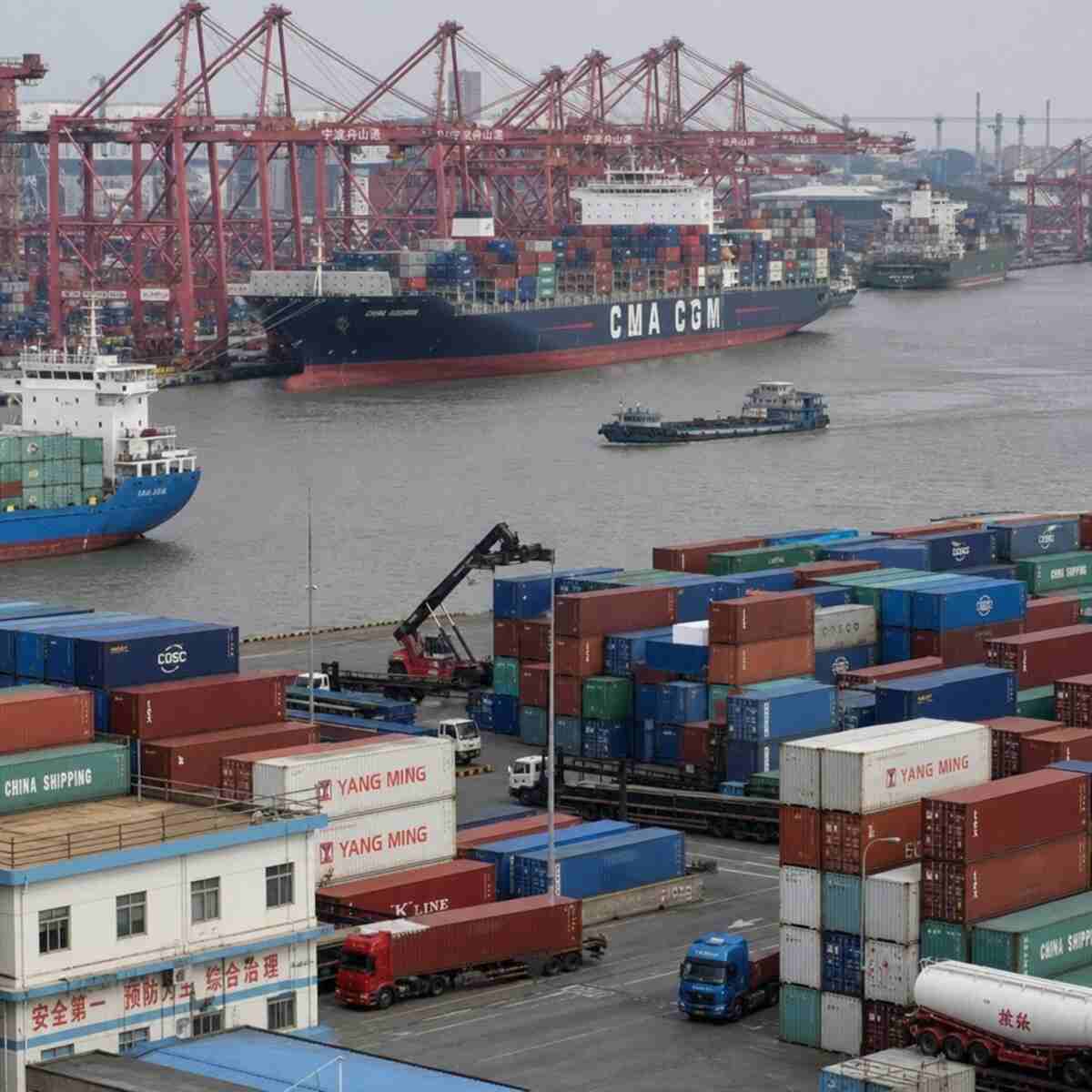
If you are running an ecommerce business in 2024, the chances are high that you have considered, or are currently engaged in, dropshipping from China. Despite the rise of local suppliers and print-on-demand services, the sheer scale, affordability, and manufacturing power of the Chinese market make it an undeniable titan in the global ecommerce landscape. Learn the best info about dropshipping from china.
However, the game has changed. Gone are the days when you could simply list a cheap product with a four-week delivery time and expect to build a sustainable brand. Today’s consumers demand high-quality items, transparent communication, and rapid shipping. To meet these expectations, your choice of supplier is the single most critical factor in your business.
In this comprehensive guide, we will dive deep into the global sourcing ecosystem. We will explore the best platforms, how to navigate complex logistics, ensure top-tier product quality, and manage the administrative side of your business. Whether you are a beginner looking for your first supplier or an advanced seller aiming to optimize your supply chain, this guide will provide actionable, expert-level strategies for mastering dropshipping from China.
Why Importing from China is Still a Winning Strategy
Before we dive into the specific suppliers, it is important to address a common question: Is importing from China still viable? The short answer is an absolute yes.
While the landscape of global trade fluctuates, the infrastructure built around Chinese manufacturing remains unparalleled. The ecosystem enables rapid prototyping, massive economies of scale, and a level of product variety that simply cannot be found elsewhere.
Here is why relying on this market remains a cornerstone of modern ecommerce:
- Unmatched Product Catalog: From trending consumer electronics to niche pet supplies, Chinese manufacturers produce almost everything.
- Low Barrier to Entry: You can start selling without having to purchase thousands of dollars in inventory upfront.
- Scalability: When you find a winning product, Chinese suppliers have the raw materials and workforce to scale production from 10 units per day to 10,000 per day without breaking a sweat.
- Evolving Logistics: Shipping infrastructure has improved drastically over the last five years. Fast shipping lines have replaced outdated, slow postal methods.
Let’s explore the top supplier platforms and sourcing methods you can leverage to build a highly profitable dropshipping business.
Top Supplier Platforms for Dropshipping
When starting your search, you will likely begin with the major online directories and platforms. Each has its own strengths, weaknesses, and ideal use cases.
1. AliExpress: The Beginner’s Testing Ground
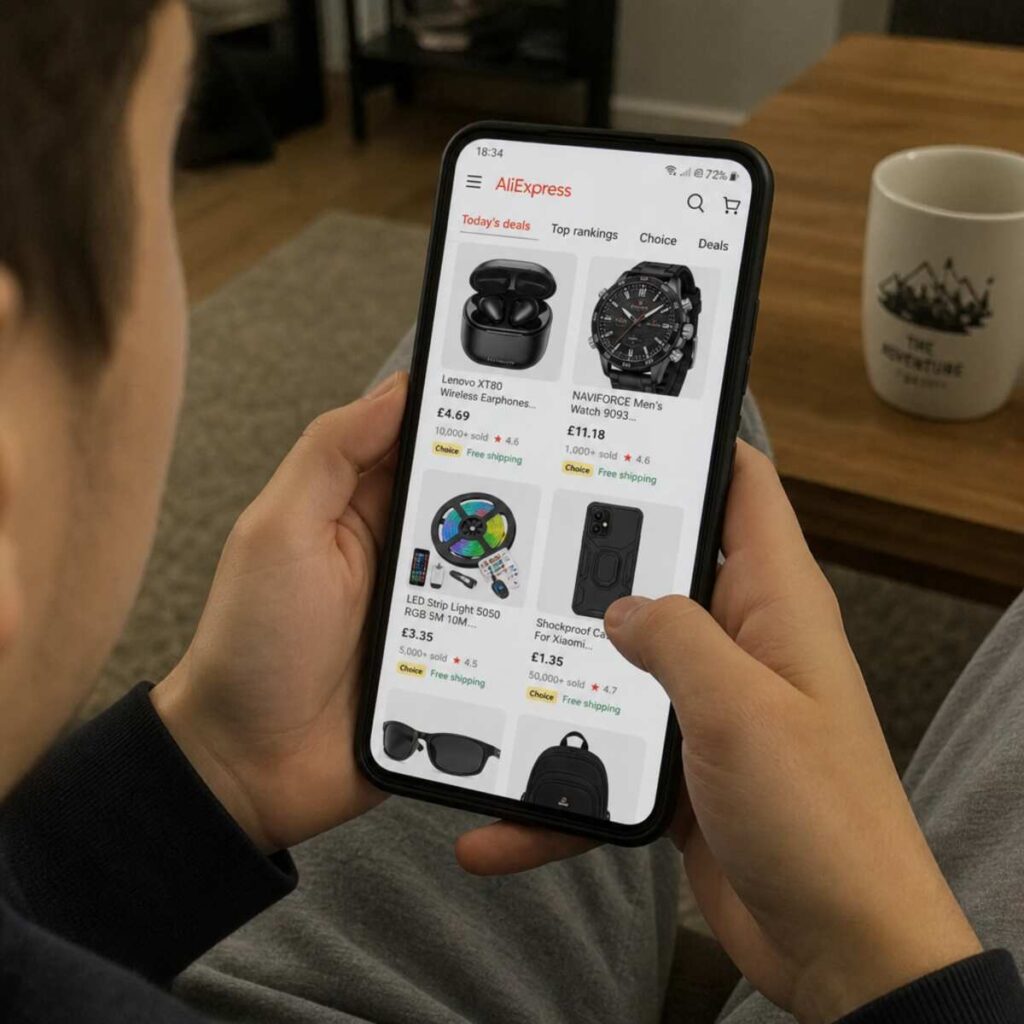
AliExpress is the most famous platform for dropshippers. It is essentially the retail arm of the Alibaba Group, designed for consumers and small business owners to buy in single quantities.
Pros:
- Zero minimum order quantities (MOQs).
- Millions of products with pre-existing photos and reviews.
- Buyer protection policies.
Cons:
- Higher prices compared to direct factory sourcing.
- Slower shipping times if you rely on default shipping methods.
- Communication can be challenging with third-party resellers who pose as factories.
AliExpress is best used for product testing. When you are launching a new store and want to see if an item has market demand, integrating with an AliExpress supplier is fast and risk-free. Once the product proves successful, it is highly recommended to move off the platform to secure better margins and shipping times.
2. CJ Dropshipping: The Fulfillment Powerhouse
As sellers scale, they often look for platforms built specifically for the dropshipping model. This brings us to a major debate in the ecommerce community: CJ Dropshipping vs AliExpress.
CJ Dropshipping is a platform tailored entirely for dropshippers. Unlike AliExpress, which is a marketplace of thousands of independent sellers, CJ acts as a unified fulfillment service.
CJ Dropshipping vs AliExpress: Which is Better?
- Sourcing: If you find a product on AliExpress, you can submit a sourcing request to CJ Dropshipping. CJ will contact the factory, negotiate a price, and stock it in their warehouse for you.
- Shipping: CJ has a distinct advantage here. They utilize dedicated shipping lines (like CJPacket) which are generally faster and more reliable than AliExpress Standard Shipping. Furthermore, CJ has overseas warehouses in the US, Germany, and Australia, enabling domestic delivery.
- Packaging: AliExpress sellers often ship products in cheap, unbranded packaging covered in Chinese text. CJ allows for custom packaging, inserts, and a more unified unboxing experience, which is vital for brand building.
- Quality Inspection: Because products pass through CJ’s warehouse before being shipped to the end consumer, they offer basic quality control checks, reducing the number of defective items sent to your customers.
For sellers moving past the initial testing phase, CJ Dropshipping offers a much more robust infrastructure for building a long-term brand.
3. Alibaba: The B2B Giant for Scaling
When you are ready to buy in bulk, customize your products, or find the actual manufacturers rather than middlemen, Alibaba is the ultimate destination. While historically used for bulk importing, many Alibaba suppliers are now willing to dropship if you negotiate properly.
However, the sheer size of the platform means there are both incredible factories and unreliable traders. Knowing how to vet manufacturers on Alibaba is a critical skill for any serious ecommerce entrepreneur.
How to Vet Manufacturers on Alibaba:
- Check for “Verified Supplier” Status: Alibaba sends third-party inspection companies (like SGS or TÜV Rheinland) to physically verify the factory’s existence, production capabilities, and management systems. Always filter your searches for Verified Suppliers.
- Examine Trade Assurance: Only work with suppliers who accept Alibaba Trade Assurance. This serves as an escrow service; your money is held securely and released only when the products are shipped according to your agreed-upon specifications.
- Review the Company Profile: Look at their main products. If a supplier sells dog toys, LED lights, and leather jackets, they are a trading company (middleman). If they only sell stainless steel drinkware, they are likely a specialized factory.
- Request Factory Videos: Ask the supplier to send a quick video of their production line holding a piece of paper with today’s date and your name. This proves they actually manufacture the goods.
- Evaluate Communication: A reliable partner responds promptly, understands your specifications, and asks clarifying questions. If a supplier says “yes” to everything without asking for details, consider it a red flag.
4. 1688.com: The Local Sourcing Secret
1688.com is essentially the domestic version of Alibaba, meant strictly for the Chinese market. Because it targets local buyers, prices are significantly lower than those on Alibaba or AliExpress.
Finding winning products on 1688 can give you a massive competitive advantage. You can discover trending items weeks or months before they hit Western dropshipping platforms, allowing you to establish an early foothold in the market.
Challenges of 1688:
- The entire site is in Mandarin.
- Suppliers do not speak English.
- They generally do not export, meaning they don’t have export licenses or understand international shipping.
- They only accept domestic Chinese payment methods (like local bank transfers or Alipay).
To successfully leverage 1688, Western dropshippers almost always use a sourcing agent. The agent acts as your localized partner, buying the goods on 1688, bringing them to their warehouse, inspecting them, and shipping them internationally to your customers.
The Power of Private Sourcing Agents
As your daily order volume grows (typically past 10–20 orders a day), relying on public platforms becomes inefficient. This is when utilizing agent sourcing services in China becomes the logical next step.
A private sourcing agent is an individual or a company based in China that handles your entire supply chain.
Why Use a Sourcing Agent?
- Better Pricing: Agents have local networks and can negotiate directly with factories in Mandarin, securing prices far below what you would find on English-facing websites.
- Consolidation: If you sell a “bundle” consisting of a yoga mat from Factory A and resistance bands from Factory B, an agent can buy both, consolidate them into one beautiful custom box in their warehouse, and ship it to your customer.
- Real-Time Problem Solving: If a factory delays production, your agent can drive down to the facility and find out what is happening, or quickly pivot to a backup factory.
When looking for agent sourcing services in China, platforms like Upwork, Facebook dropshipping groups, and specialized agencies (like Eprolo or Wiio) are great places to start. Always ask for references, check their warehouse capabilities, and ensure their working hours overlap somewhat with yours for smooth communication.
Ensuring Quality and Building a Brand
One of the biggest stigmas associated with dropshipping from China is the perception of “cheap, low-quality goods.” To succeed in today’s market, you must shatter this stigma.
Finding Reliable Chinese Suppliers
Finding reliable Chinese suppliers is not just about price; it is about consistency. A good supplier acts as a partner in your business. To build a reliable network:
- Order Samples Promptly: Never blindly send a product to a customer. Always order samples to your own home first. Test the product rigorously. If it’s a kitchen gadget, use it daily. If it’s clothing, wash it multiple times to check for shrinkage.
- Build a Relationship: Chinese business culture places a heavy emphasis on Guanxi (relationships/networking). Be polite, pay on time, and communicate your long-term vision. Suppliers are more likely to prioritize your orders and offer better terms if they view you as a long-term partner.
Quality Control for Overseas Orders
When you are scaling, you cannot inspect every item yourself. Implementing strict quality control for overseas orders is mandatory to prevent massive return rates and chargebacks.
- Pre-Shipment Inspections: If you are buying inventory in bulk to be dropshipped by an agent, hire a third-party inspection service (like QIMA). They will visit the factory, inspect a random sample of your goods against an AQL (Acceptable Quality Limit) standard, and provide a detailed photographic report before you pay the final balance.
- Agent QC: If you are dropshipping one-by-one via an agent, require them to do basic QC. They should check for correct sizing, obvious defects, and ensure the packaging is intact before applying the shipping label.
- Define Standards Clearly: Do not just say “make sure it’s good quality.” Provide a checklist. E.g., “The zipper must open and close smoothly 10 times. There must be no loose threads longer than 2mm. The logo must be centered within 1mm accuracy.”
Private Labeling for High Ticket Products
To truly escape the “race to the bottom” in pricing, you need to build brand equity. Private labeling for high ticket products is one of the most lucrative strategies in ecommerce.
High ticket products (items selling for $100 to $1,000+) require trust. Customers will not spend $300 on an unbranded, generic massage gun. By working with a Chinese manufacturer, you can take an existing high-quality white-label product and customize it:
- Custom Logos: Add your logo to the product via laser engraving, silk screening, or custom molding.
- Premium Packaging: Upgrade from a polymailer to a magnetic closure gift box with custom foam inserts.
- Instruction Manuals: Rewrite the often poorly translated instruction manuals into native, professional English.
By increasing the perceived value through private labeling, you can drastically increase your profit margins.
Sourcing Branded Products Legally
A critical warning for all dropshippers: stay away from counterfeit goods. Trying to dropship fake Nike shoes, Apple accessories, or Marvel merchandise will lead to your payment gateways being frozen, your store being shut down by Shopify, and potential legal action.
If you are interested in legally sourcing branded products, you must obtain the appropriate licenses.
- Authorized Distributors: You must find authorized wholesale distributors of the brand, not random factories in China. Legitimate brands rarely allow their core products to be manufactured and sold directly out the back door of a Chinese factory.
- Proof of Authenticity: Always secure a Letter of Authorization (LOA) from the brand owner explicitly granting you permission to resell their trademarked goods. If a Chinese supplier claims to sell authentic Disney products but cannot provide an LOA, run the other way.
Mastering Shipping and Logistics
The Achilles heel of dropshipping has always been shipping times. Consumers conditioned by Amazon Prime expect their orders in days, not weeks. While you may not be able to offer 2-day shipping directly from Asia, there are highly effective strategies for reducing international shipping times.
ePacket Shipping Alternatives
For years, ePacket was the gold standard for dropshippers. It was a subsidized postal route that offered cheap, tracked shipping from China to the US. However, due to changes in international postal treaties and the lingering effects of global supply chain disruptions, ePacket has become slow, unreliable, and largely obsolete.
Today, successful sellers rely on ePacket shipping alternatives. These are private, specialized logistics companies that offer “Special Line” shipping.
- YunExpress: Arguably the most popular and reliable option currently. They fly the packages directly to the destination country on chartered flights and then hand them off to the local postal service (such as USPS or Royal Mail) for final-mile delivery. Deliveries to the US and Europe often take just 6 to 10 days.
- Yanwen: Similar to YunExpress, offering fast special lines with full tracking.
- CNE Express: Excellent for European destinations, often clearing customs quickly and delivering within a week.
- 4PX: A solid alternative, especially for heavier or bulkier items that other special lines might reject.
By upgrading to these premium lines (which usually only cost a dollar or two more than standard shipping), you dramatically improve the customer experience and reduce support emails asking, “Where is my order?”
Common Logistics Delays and Solutions
Even with the best shipping lines, international logistics can be unpredictable. Being prepared for common logistics delays and solutions is part of being a professional merchant.
- Chinese New Year (CNY): This is the biggest disruption in the dropshipping calendar. Every February, factories and shipping companies shut down for 2 to 4 weeks. Solution: Communicate with your supplier by December. Forecast your sales, bulk order inventory, and move it to a local US/EU fulfillment center before the shutdown begins.
- Customs Holds: Sometimes packages are randomly selected for inspection at the border, causing a 3-5-day delay. Solution: Ensure your supplier completes the commercial invoice accurately, with the correct HS codes and realistic declared values. Under-declaring values to save on taxes is a common cause for customs seizures.
- Peak Season Overload: During Q4 (Black Friday to Christmas), cargo space becomes scarce and expensive. Solution: Switch to the most premium shipping lines available via your agent, and clearly communicate holiday shipping cut-off dates on your website to manage customer expectations.
Automating Order Fulfillment from Overseas
As your volume increases, manually copying and pasting customer addresses into supplier websites will bottleneck your growth. Automating order fulfillment from overseas is essential for scaling.
Tools like AutoDS, DSers, and custom API integrations from sourcing agents allow your Shopify or WooCommerce store to communicate directly with your supplier’s software.
- When a customer buys on your site, the order is automatically pushed to the supplier.
- The supplier fulfills the order and generates a tracking number.
- The software pulls the tracking number back into your store and automatically emails it to the customer.
This seamless automation allows you to focus on marketing and brand growth rather than tedious data entry.
Navigating Finance, Payments, and Taxes
Dealing with international suppliers introduces complexities regarding money movement and legal compliance. Setting up your financial infrastructure correctly from day one will save you massive headaches later.
Best Payment Methods for Chinese Wholesalers
How you pay your supplier affects your cash flow, your profit margins (due to currency conversion fees), and your security. Here are the best payment methods for chinese wholesalers:
- Alibaba Trade Assurance: The safest method for beginners. You can pay via credit card or wire transfer. The fee is typically around 3%, but the protection it offers against scams or defective goods is invaluable when working with a new supplier.
- Wire Transfer (T/T – Telegraphic Transfer): The standard for large, bulk B2B orders. Typically, terms are 30% deposit upfront and 70% before shipment. Avoid direct bank wires with unverified, new dropshipping suppliers, as there is zero buyer protection.
- PayPal: Good for buyer protection, but many Chinese suppliers hate it due to high fees (up to 4.4% plus cross-border fees) and the risk of buyers arbitrarily issuing chargebacks. If you negotiate PayPal, expect the supplier to pass the fees onto you.
- Wise (formerly TransferWise) or Payoneer: These are the sweet spot for established relationships. They offer localized bank accounts (e.g., giving you a Chinese receiving account), allowing you to pay your supplier in USD or CNY with incredibly low conversion fees and fast transfer times.
- WeChat Pay / Alipay: If you are working closely with a private sourcing agent, they will often prefer to be paid via local apps. You can usually fund these through third-party remittance services like Remitly or Paysend.
Import Duties and Taxes for Dropshippers
When moving goods across borders, customs agencies want their cut. Understanding import duties and taxes for dropshippers is vital to ensure neither you nor your customer gets hit with a surprise bill.
- The US Market (De Minimis Threshold): The United States is highly supportive of dropshippers thanks to its Section 321 de minimis threshold. Currently, individual shipments valued at under $800 USD can enter the US duty-free. Since most dropshipped B2C packages are well under this limit, neither you nor the customer will pay import duties.
- The European Union (IOSS): The EU recently abolished its tax-free threshold. Now, all goods imported into the EU are subject to Value Added Tax (VAT). To prevent customers from paying VAT at the door (which leads to high return rates), dropshippers should register for the Import One-Stop Shop (IOSS). This allows you to collect VAT at checkout on your website and remit it to the EU monthly, ensuring the package clears customs smoothly.
- The UK Market: Similar to the EU, the UK requires sellers to collect a 20% VAT at the point of sale for orders under £135 and remit it to HMRC.
USA Tax Obligations for Ecommerce Sellers with Dropshipping from China
Beyond customs duties, you must manage your domestic tax liabilities. The usa tax obligations for ecommerce sellers with dropshipping from china generally fall into two categories: Income Tax and Sales Tax.
1. Income Tax: If you are a US citizen or operate a US-based entity (like an LLC), you must report your global net profit to the IRS.
- Keep meticulous records of your Cost of Goods Sold (COGS). Every payment sent via Wire, PayPal, or Wise to your Chinese supplier is a deductible business expense.
- Form W-8BEN / W-8BEN-E: If your business is audited, the IRS may ask why you sent hundreds of thousands of dollars overseas without withholding US taxes. You should have your Chinese suppliers complete Form W-8BEN (for individuals) or Form W-8BEN-E (for entities). This form certifies that they are foreign entities performing services/manufacturing outside the US, and therefore, you are not required to withhold US taxes on payments made to them.
2. Sales Tax (Economic Nexus): Dropshipping does not exempt you from US state sales taxes.
- In the past, you only collected sales tax in the state where you had a physical presence. Following the South Dakota v. Wayfair Supreme Court ruling, states can now enforce “Economic Nexus.”
- If your sales into a specific state cross a certain threshold (often $100,000 in revenue or 200 distinct transactions within a year), you are legally obligated to register for a sales tax permit in that state, collect sales tax from the buyer at checkout, and remit it to the state.
- Actionable Tip: Use software like TaxJar or Avalara. They integrate directly with Shopify, monitor your nexus thresholds in real-time across all 50 states, and automatically calculate the correct localized tax rates at checkout.
(Disclaimer: I am an SEO and content specialist, not a CPA. Always consult with a licensed tax professional regarding your specific tax liabilities.)
Post-Purchase: Customer Service and Returns
Even with the best suppliers and fastest shipping, things go wrong. Packages get lost, products break in transit, and customers change their minds. How you handle the post-purchase experience dictates your brand’s longevity.
Handling Returns for International Products
One of the most daunting aspects of dropshipping is the return process. When a customer in Ohio wants to return a $30 sweater, asking them to ship it back to Shenzhen, China, is a recipe for disaster. The return shipping will cost more than the product, take weeks, and guarantee an angry customer who will likely file a chargeback.
Here are the best strategies for handling returns for international products:
- The “Keep It” + Refund/Replace Strategy: If the product is relatively inexpensive (e.g., COGS is under $15), the most cost-effective and customer-friendly solution is to simply refund the customer or send a free replacement, and tell them to keep, donate, or recycle the original item. You lose a little money on the transaction, but you save on shipping fees and preserve your brand reputation.
- Utilize a Local Return Center: If you are selling high-ticket items, you cannot afford to just give them away. In this case, partner with a local 3PL (Third-Party Logistics) warehouse in your primary market (e.g., a return center in the USA). When a customer wants to return an item, they ship it to your local 3PL. The 3PL inspects the item. If it is in good condition, they restock it and use it to fulfill your next local order.
- Strict but Fair Return Policies: Clearly state your return policy on your website. Differentiate between “defective items” (which should always be replaced/refunded at your expense) and “buyer’s remorse” (where you might require the buyer to pay local return shipping to your US-based facility).
- Hold the Supplier Accountable: If the return is due to a manufacturing defect or to the wrong item being shipped, document it with photos provided by the customer. Send these to your Chinese sourcing agent or supplier. A reliable partner will refund you the product cost or ship the replacement for free on their next invoice.
Conclusion: Building a Resilient Supply Chain
Dropshipping from China is far from dead; it has simply matured. The “Wild West” days of tossing up a basic store, using slow ePacket shipping, and ignoring quality control are over. Today’s successful dropshipper acts as a true supply chain manager.
By graduating from beginner platforms like AliExpress to dedicated fulfillment centers like CJ Dropshipping, and eventually partnering with private sourcing agents to tap into the local 1688 market, you can secure incredible pricing. By implementing strict quality control and exploring private labeling for high ticket items, you transition from a simple reseller to a valuable brand owner.
Furthermore, by mastering modern logistics like YunExpress to slash shipping times, and understanding your financial and US tax obligations, you build a resilient, legally compliant business capable of weathering the storms of global ecommerce.
The factories and infrastructure in China offer you the tools to build a multi-million-dollar retail empire from your laptop. The key to unlocking that potential lies in choosing the right suppliers, demanding excellence, and prioritizing your end customer’s experience above all else. Start testing products, vet your suppliers meticulously, and watch your ecommerce business thrive in 2024 and beyond.
