


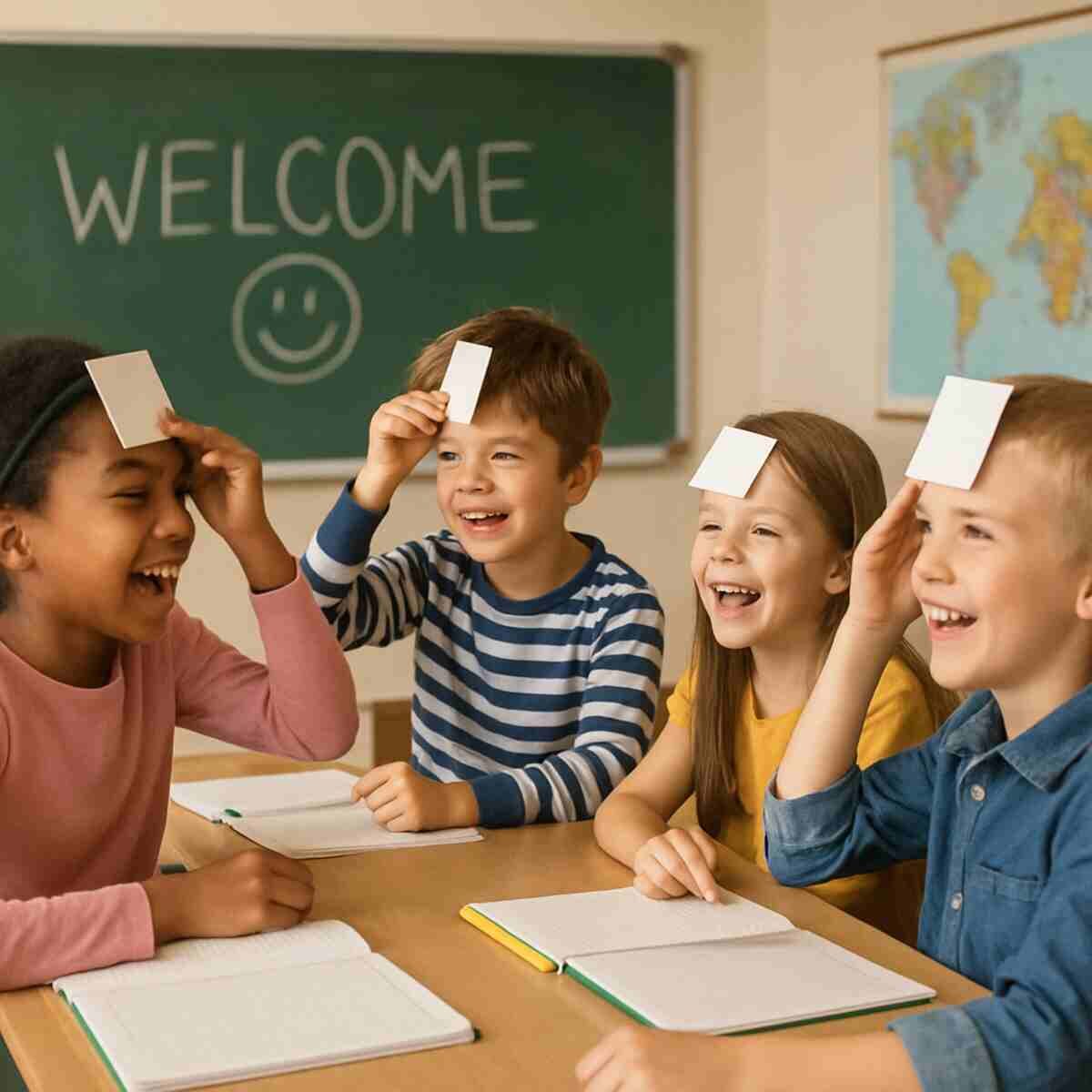
In today’s fast-paced educational landscape, engaging students through active learning is more important than ever. One of the most effective ways to foster a dynamic learning environment is by incorporating educational games into the classroom. These games not only make learning fun but also memorably reinforce the material. Let’s dive into some classroom games that are sure to bring energy and excitement into your lessons. To find more, check on BASTIAN89
Classroom games are more than just a fun break from traditional teaching methods; they are powerful tools that enhance learning. By playing games, students can explore new concepts, practice problem-solving skills, and improve their communication abilities. Games can also help break down complex ideas into manageable parts, making it easier for students to understand and retain information.
Advantages of Game-Based Learning
Games in education serve multiple purposes beyond entertainment. They provide a structured environment where students can apply theoretical knowledge in a practical context. This experiential learning helps to reinforce educational concepts and makes the material more relatable. Furthermore, games encourage creativity, allowing students to experiment with different solutions and strategies.
Psychological Benefits
Engaging in classroom games also offers psychological benefits. The excitement and novelty of games can reduce anxiety and make learning less intimidating for students. The positive reinforcement from achieving game objectives boosts students’ confidence and self-esteem. As students experience success in games, they become more motivated to tackle challenging academic tasks.
Social Interaction and Emotional Development
Games in a classroom setting promote social interaction and foster emotional development. Students learn to communicate effectively, express their ideas, and listen to others. This collaborative environment helps build empathy and understanding among classmates. Additionally, games that require teamwork can strengthen peer relationships and create a supportive classroom community.
Cognitive Skill Enhancement
Participating in classroom games enhances cognitive skills such as memory, attention, and executive function. Games often require players to recall information, make quick decisions, and adapt to new rules or situations. These activities stimulate brain function and improve mental agility, which are essential for academic success and lifelong learning.
Benefits of Using Games in Education
- Increased Engagement: Games capture students’ attention and motivate them to participate actively in their learning process. The interactive nature of games encourages students to immerse themselves in the subject matter, making lessons more dynamic and enjoyable.
- Enhanced Retention: By associating learning with enjoyable experiences, students are more likely to remember the material. When students are having fun, the brain releases dopamine, a neurotransmitter linked to memory and learning, which helps solidify the information.
- Collaboration and Teamwork: Many games require students to work together, fostering a sense of community and cooperation. Through collaborative gameplay, students learn the importance of teamwork, delegation, and collective problem-solving.
- Critical Thinking and Problem Solving: Games often present challenges that require strategic thinking, helping students develop these essential skills. As students navigate game scenarios, they learn to evaluate options, anticipate outcomes, and make informed decisions.
- Personalized Learning Opportunities: Games can be tailored to individual learning needs, allowing students to progress at their own pace. This personalization helps accommodate different learning styles and abilities, ensuring that all students can benefit from game-based learning.
- Immediate Feedback: Games provide instant feedback, which is crucial for the learning process. Students can quickly identify areas of improvement and adjust their strategies accordingly, leading to a more efficient and effective learning experience.
Fun and Educational Games to Play in Class
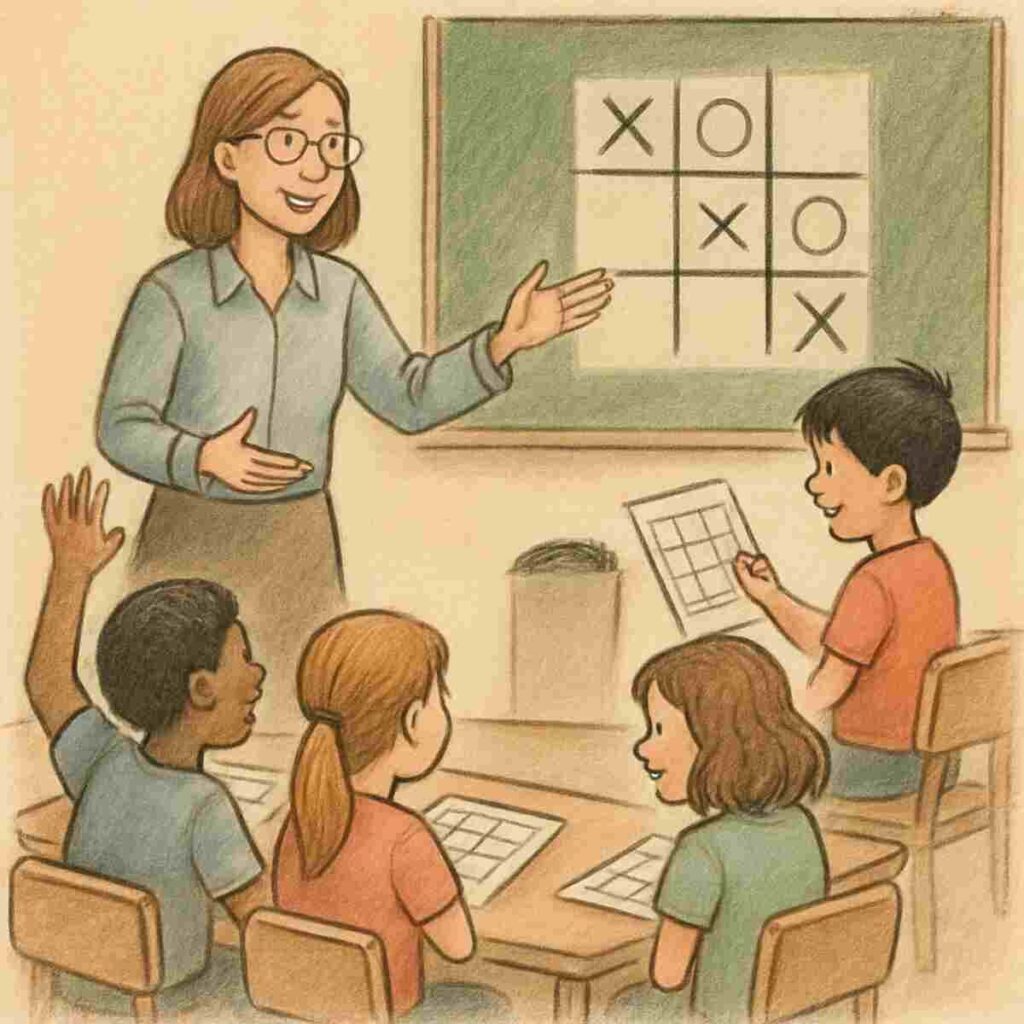
Ready to energize your classroom with some exciting games? Here are a few tried-and-true favorites that can be easily adapted for any subject or grade level.
1. Jeopardy!
Jeopardy! is a classic game that can be customized to fit any topic you’re teaching. Create a Jeopardy board with categories related to your lesson. Divide the class into teams and have them select categories and answer questions to earn points. This game is perfect for reviewing material before a test.
Customizing Jeopardy for Different Subjects
To customize Jeopardy for your classroom, consider the subject and the specific material you want to cover. For example, in a history class, categories could include “Famous Leaders,” “Historic Events,” and “Cultural Milestones.” In a science class, topics like “Chemical Elements,” “Physics Principles,” and “Biology Basics” can be used. The flexibility of Jeopardy allows it to be tailored to any educational content, making it a versatile tool for review sessions.
Engaging All Students
To ensure all students are involved, consider rotating team captains or allowing different students to choose questions. This approach keeps everyone engaged and gives each student a chance to participate actively. Encourage teams to discuss their answers before responding, fostering collaboration and collective decision-making.
Incorporating Technology
Modernize Jeopardy by using digital tools and platforms. Online Jeopardy templates are available that allow you to project the game board onto a screen, making it visually appealing and easy to manage. Students can use clickers or mobile devices to submit their answers, adding an element of technology that enhances the gaming experience.
2. Pictionary
Pictionary is a great way to engage students in visual learning. Create a list of vocabulary words or concepts related to your lesson. Students take turns drawing a word or concept on the board while their classmates guess what it is. This game helps reinforce vocabulary and can be tailored to any subject.
Adapting Pictionary for Different Learning Levels
To adapt Pictionary for various learning levels, consider adjusting the complexity of the words or concepts. For younger students, use simpler vocabulary or basic images. For advanced learners, incorporate abstract concepts or technical terms. This customization ensures that the game remains challenging yet accessible for all students.
Encouraging Creativity and Expression
Pictionary encourages students to think creatively and express their ideas visually. This process helps students develop their artistic and interpretive skills while reinforcing their understanding of the lesson material. Encourage students to use colors, symbols, and other visual elements to convey their ideas effectively.
Fostering a Supportive Environment
Create a supportive environment by emphasizing the importance of effort and participation over artistic ability. Remind students that the goal is to communicate ideas, not to produce perfect drawings. This approach reduces anxiety and encourages all students to contribute, regardless of their drawing skills.
3. Kahoot!
Kahoot! is an online platform that lets you create interactive quizzes. Students can join the game using their devices and answer questions in real-time. The competitive element keeps students engaged and provides instant feedback, making it a fantastic tool for formative assessment.
Designing Effective Quizzes
When designing Kahoot! quizzes, focus on creating questions that align with your learning objectives. Use a mix of question types, such as multiple-choice, true/false, and short answer, to assess different aspects of student understanding. Varying the difficulty level of questions helps maintain student interest and provides a comprehensive assessment of their knowledge.
Engaging Students with Real-Time Interaction
Kahoot!’s real-time interaction keeps students engaged and attentive. The immediate feedback allows students to see their progress and understand their mistakes instantly. This feature encourages a growth mindset, as students can learn from their errors and strive for improvement.
Encouraging Friendly Competition
The competitive nature of Kahoot! motivates students to participate actively and strive for success. To ensure a positive experience, emphasize sportsmanship and celebrate all participants’ efforts. Consider implementing team-based Kahoot! games to promote collaboration and reduce individual pressure.
4. Escape Room
Bring the excitement of an escape room into your classroom! Create a series of puzzles and challenges that students must solve to “escape” the room. These puzzles can be based on your lesson content and require students to use critical thinking and teamwork to succeed.
Crafting Themed Escape Room Challenges
Design escape room challenges with themes that relate to your lesson content. For example, a literature class could have an escape room based on a novel’s plot, while a science class might feature a lab-themed challenge. Themed puzzles provide context and make the experience more immersive and engaging for students.
Promoting Collaboration and Team Dynamics
Escape rooms require students to work together, fostering collaboration and communication skills. Encourage students to delegate tasks, share ideas, and support each other as they solve puzzles. This teamwork enhances their problem-solving abilities and strengthens classroom relationships.
Integrating Technology and Creativity
Incorporate technology into your escape room by using digital puzzles, QR codes, or online clues. This integration adds a modern twist and keeps students engaged with interactive elements. Encourage creativity by allowing students to create their own puzzles or contribute ideas for future escape room themes.
Implementing Games in Your Classroom
Now that you have some game ideas, it’s important to know how to integrate them into your teaching effectively. Here are a few tips to ensure a smooth and successful implementation:
Start Small
If you’re new to using games in the classroom, start with simple games that require minimal setup. This will help you and your students get comfortable with the process before moving on to more complex activities.
Selecting Easy-to-Implement Games
Choose games that require minimal resources and preparation time, such as simple quizzes or word games. These activities allow you to focus on the gameplay experience rather than logistical challenges. As you become more comfortable, you can gradually introduce more elaborate games.
Building Confidence and Familiarity
Starting small helps build confidence in both teachers and students. Begin by incorporating short game sessions into your lessons and gradually increase their complexity and duration. This approach allows everyone to adjust to the new learning format and gain confidence in their ability to participate effectively.
Gathering Feedback and Adjusting
After trying out simple games, gather feedback from your students to understand what they enjoyed and what could be improved. Use this feedback to refine your approach and make necessary adjustments. This iterative process ensures that games remain effective and enjoyable for all participants.
Align with Learning Objectives
Ensure that the games you choose align with your learning objectives. This way, you’ll reinforce the material you’re teaching and help students achieve the desired outcomes.
Connecting Games to Curriculum Goals
Select games that directly relate to the curriculum and reinforce key concepts. For example, if your objective is to enhance vocabulary, choose games that focus on word recognition and usage. By aligning games with learning goals, you ensure that they complement and enhance the educational experience.
Integrating Assessment Opportunities
Use games as opportunities for formative assessment by incorporating questions or challenges that test students’ understanding. This integration allows you to gauge student progress and identify areas that may require additional instruction or support.
Supporting Diverse Learning Styles
Consider the diverse learning styles and preferences of your students when selecting games. Some students may prefer visual learning, while others excel in auditory or kinesthetic activities. By offering a variety of games, you can accommodate different learning needs and ensure that all students benefit from the experience.
Set Clear Rules and Expectations
Before starting a game, explain the rules and objectives clearly to your students. This will prevent confusion and ensure that everyone is on the same page.
Establishing Game Guidelines
Create clear and concise guidelines for each game, including rules, objectives, and scoring criteria. Communicate these guidelines to your students before the game begins to ensure that everyone understands how to participate and succeed.
Encouraging Respect and Fair Play
Emphasize the importance of respect and fair play during games. Encourage students to support and encourage their peers, creating a positive and inclusive atmosphere. Address any issues of misconduct promptly to maintain a respectful and enjoyable gaming environment.
Preparing for Potential Challenges
Anticipate potential challenges or questions that may arise during gameplay and prepare solutions in advance. This foresight allows you to address issues quickly and maintain the flow of the game. Being prepared helps minimize disruptions and ensures a smooth gaming experience for all participants.
Encourage Participation
Make sure all students are involved in the game. Encourage shy or reluctant students to participate by creating an inclusive environment where everyone feels comfortable contributing.
Creating Inclusive Game Environments
Design games that allow for varying levels of participation, ensuring that all students can contribute in ways that suit their comfort levels. Use strategies such as random selection or rotating roles to ensure that everyone has an opportunity to participate.
Building Confidence and Reducing Anxiety
Support students who may feel anxious about participating by providing encouragement and reassurance. Highlight the importance of effort and participation over winning, emphasizing that games are a learning experience rather than a competition.
Celebrating Effort and Achievement
Acknowledge and celebrate the efforts and achievements of all students, regardless of the outcome. This recognition builds confidence and motivates students to engage in future activities, fostering a positive attitude toward learning through games.
Debrief and Reflect
After the game, take some time to debrief and discuss what students learned. This reflection will help solidify the concepts and provide an opportunity for students to share their thoughts and experiences.
Facilitating Reflective Discussions
Engage students in reflective discussions by asking open-ended questions about their experiences during the game. Encourage them to share what they learned, any challenges they faced, and how they overcame obstacles. This reflection helps reinforce learning and provides insights into students’ thought processes.
Connecting Game Experiences to Real-World Applications
Help students relate their game experiences to real-world applications by discussing how the skills and knowledge gained during the game can be applied outside the classroom. This connection reinforces the relevance of the material and enhances students’ understanding of its practical significance.
Gathering Feedback for Improvement
Use the debriefing session as an opportunity to gather feedback on the game itself. Ask students for their thoughts on what worked well and what could be improved. This feedback allows you to refine future game sessions and ensure they continue to be effective and engaging.
Conclusion
Classroom games are a fantastic way to make learning engaging, interactive, and fun. By incorporating games into your teaching repertoire, you can create a lively learning environment that encourages active participation and enhances retention. So, the next time you’re planning a lesson, consider adding an educational game to the mix. Your students will thank you for it!
Remember, the key to successful classroom games is to keep them educational, relevant, and enjoyable. With a little creativity and planning, you can turn any lesson into an exciting adventure that your students will look forward to!
Embracing a Game-Based Learning Mindset
As you integrate games into your teaching, embrace a mindset that values experimentation and innovation. Be open to trying new games and adapting existing ones to suit your classroom’s unique needs. This flexibility allows you to discover the most effective strategies for engaging and educating your students.
Encouraging Lifelong Learning Through Play
By fostering a love for learning through play, you instil a lifelong curiosity and enthusiasm for education in your students. Encourage them to explore new ideas, take risks, and embrace challenges with a positive attitude. This approach prepares them for future academic pursuits and personal growth.
Building a Community of Learners
Finally, use games to build a community of learners who support and inspire each other. Encourage collaboration, celebrate successes, and create an environment where students feel valued and empowered. Through this community, students develop not only academic skills but also the social and emotional competencies essential for success in life.
